
Liposomal Glutathione Supplement 750mg
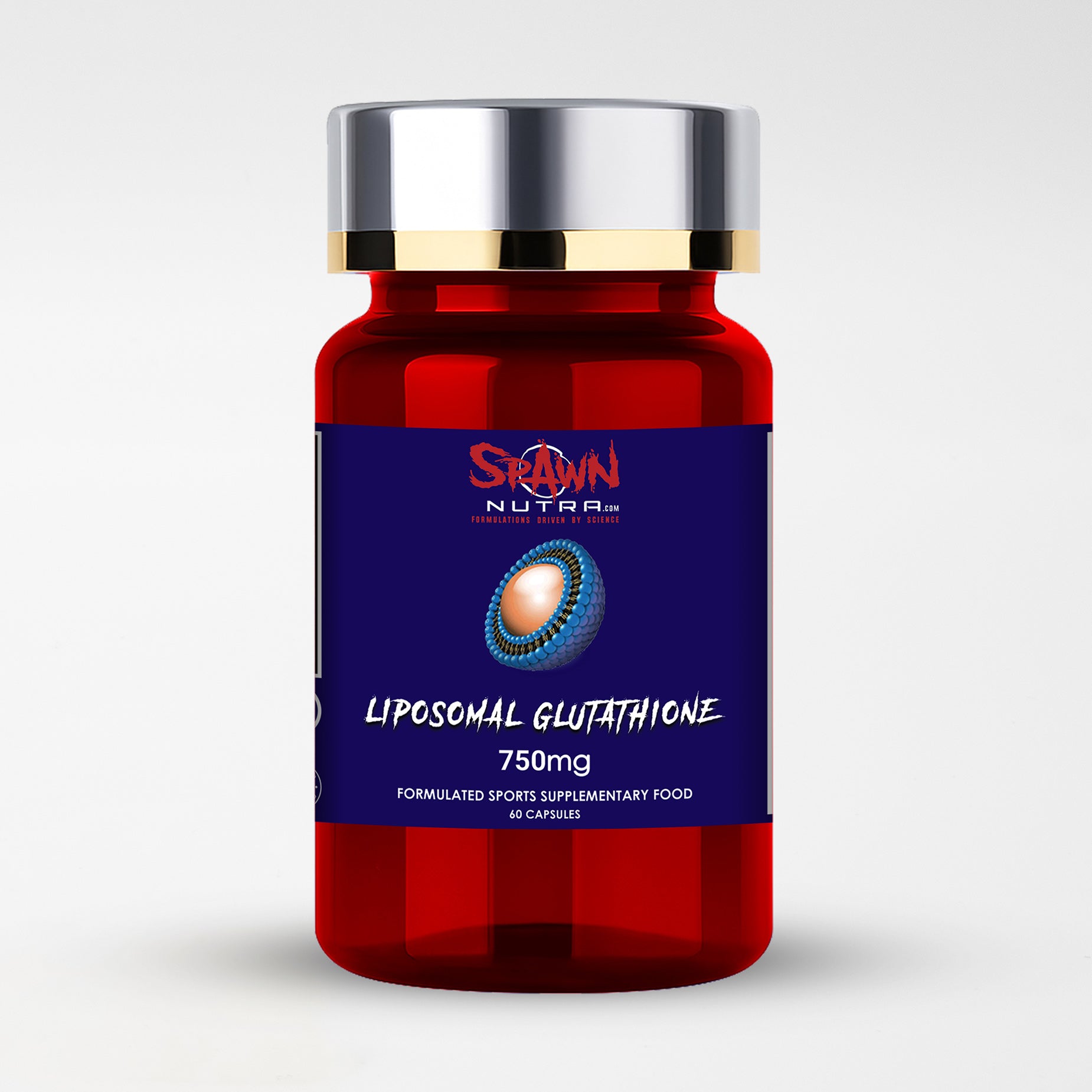
Liposomal Glutathione Supplement 750mg
LIPOSOMAL GLUTATHIONE 750MG
The Master Antioxidant. Your Body's Internal Defence System.
WHAT IS GLUTATHIONE?
Glutathione (GSH) is a tripeptide — three amino acids: glycine, cysteine, and glutamate — synthesised by every cell in the human body. It is the most abundant intracellular antioxidant in human biology, present at millimolar concentrations inside cells, and it is the central hub of the entire intracellular antioxidant network. Without glutathione, the downstream antioxidants — Vitamin C, Vitamin E, CoQ10 — cannot function as a coherent system because they have no way to be regenerated after they have been oxidised.
Glutathione exists in two forms: reduced GSH (the active, electron-donating form) and oxidised GSSG (the spent form). The ratio of GSH to GSSG inside cells is a direct biomarker of cellular redox status — of whether a cell is coping with its oxidative load or being overwhelmed by it. In aged, diseased, or heavily trained tissue, GSH:GSSG ratios collapse. Oxidative damage accumulates. Inflammation escalates. Recovery slows.
The most cysteine-limited synthesis pathway means that under conditions of high oxidative stress — intense exercise, illness, chronic inflammation, alcohol consumption, toxin exposure, or aging — endogenous glutathione synthesis cannot keep pace with demand. Exogenous supplementation is the only way to restore depleted GSH pools rapidly.
THE MOLECULAR MECHANISMS
Direct Neutralisation of Reactive Oxygen Species
GSH directly reduces hydrogen peroxide (H2O2), organic hydroperoxides, and peroxyl radicals via glutathione peroxidase (GPx) enzymes, becoming GSSG in the process. It also non-enzymatically neutralises hydroxyl radicals and reactive nitrogen species. In tissues under acute oxidative stress — post-exercise skeletal muscle, inflamed tissue, ischaemia-reperfusion injury — GSH is the first line of defence, consumed rapidly and requiring continuous regeneration by glutathione reductase using NADPH.
Phase II Detoxification
Glutathione-S-transferases (GSTs) conjugate GSH to electrophilic xenobiotics — industrial chemicals, medications, carcinogens, and endogenous toxic metabolites — making them water-soluble and enabling their excretion via bile and urine. This is the primary mechanism by which the liver neutralises the vast majority of toxic compounds that enter the body. The hepatoprotective effect of glutathione is not incidental — it is the biochemical reason the liver has the highest glutathione concentration of any tissue. Every time the liver processes alcohol, medication, or environmental toxins, it spends glutathione. Replenishing it is liver maintenance.
Immune Cell Function
Lymphocytes, NK cells, and macrophages require elevated intracellular GSH for optimal proliferative responses to antigenic stimulation, cytokine production, and cytotoxic activity. GSH depletion in lymphocytes specifically impairs the shift from quiescent T cells to activated effector T cells — the core of adaptive immune response. Athletes under heavy training loads, individuals recovering from illness, and anyone over 50 experiencing age-associated GSH decline all exhibit the same immunological consequence: impaired immune readiness.
Mitochondrial Protection
The mitochondrial GSH pool (mGSH) is physically separate from cytosolic GSH and is essential for protecting the inner mitochondrial membrane from lipid peroxidation, neutralising mitochondrial hydrogen peroxide produced as a byproduct of normal respiration, and maintaining the redox environment required for Complex I, II, and IV function. mGSH depletion is observed in neurodegenerative disease, non-alcoholic fatty liver disease, and mitochondrial myopathy — conditions where mitochondrial ROS production exceeds the capacity of mGSH to contain it.
WHY ORAL GLUTATHIONE SUPPLEMENTATION HAS A FUNDAMENTAL PROBLEM
Oral glutathione is broken down in the GI tract before it reaches the bloodstream. Intestinal brush border peptidases hydrolise the tripeptide into its constituent amino acids — glycine, cysteine, and glutamate — which are then absorbed as individual amino acids, not as glutathione. The cell receiving these amino acids must then reassemble glutathione via a two-step enzymatic synthesis (gamma-glutamylcysteine synthetase, then glutathione synthetase). This synthesis is rate-limited by cysteine availability. Under oxidative stress, cellular cysteine pools are already depleted. Standard oral glutathione bioavailability as intact GSH: less than 1%.
THE LIPOSOMAL ADVANTAGE
|
Standard Oral Glutathione (Capsule/Tablet) |
<1% intact GSH — completely degraded to amino acids before absorption. No meaningful elevation of intracellular GSH pools. |
|
N-Acetylcysteine (NAC) — Indirect Approach |
Provides cysteine precursor but relies on endogenous synthesis. Limited by cellular enzyme capacity. Indirect, slow, incomplete. |
|
Spawn Nutra Liposomal Glutathione 750mg |
~38–42% effective bioavailability as intact GSH. Phospholipid bilayer protects the intact tripeptide from peptidase degradation in the GI lumen. Nanovesicles deliver intact GSH directly into enterocytes, bypassing extracellular degradation. Demonstrated significant elevation of whole blood and erythrocyte GSH levels in clinical studies on liposomal glutathione vs oral powder equivalent. |
MAD SCIENTIST 5150 — FORMULATE TO DESTROY
Standard glutathione powder is a useless product — completely destroyed before it reaches your cells. The science on this is 30 years old. Spawn Nutra Liposomal Glutathione 750mg delivers intact GSH at 38–42% bioavailability. That is not a minor difference. It is the difference between supplementing and doing nothing.